
Quality Control, Testing & Test Certificates
Steel is only as good as the paper that proves it. Here is exactly how the material on your order is
tested, by whom, to which standard — and what documentation travels with the container.
page points at a certificate, a registration number or a laboratory. If you need a property we cannot test or document,
we will say so before you order.
How your order is inspected
- Heat testing at the mill. Every heat is analysed and mechanically tested in the mill’s own
laboratory before it is released for rolling and before it is offered to you. - Mill test certificate issued. The producing mill issues an EN 10204 3.1 certificate showing heat
number, chemistry, mechanical properties and the specification the material was made to. - Third-party inspection, if you want it. You nominate SGS, BV, Intertek, TUV or your own inspector
for EN 10204 3.2 witnessing. We present the material for inspection before packing. - Pre-shipment check and photos. Dimensions, quantity, marking, packing and container loading are
checked and photographed; the images are sent to you before the container is sealed.
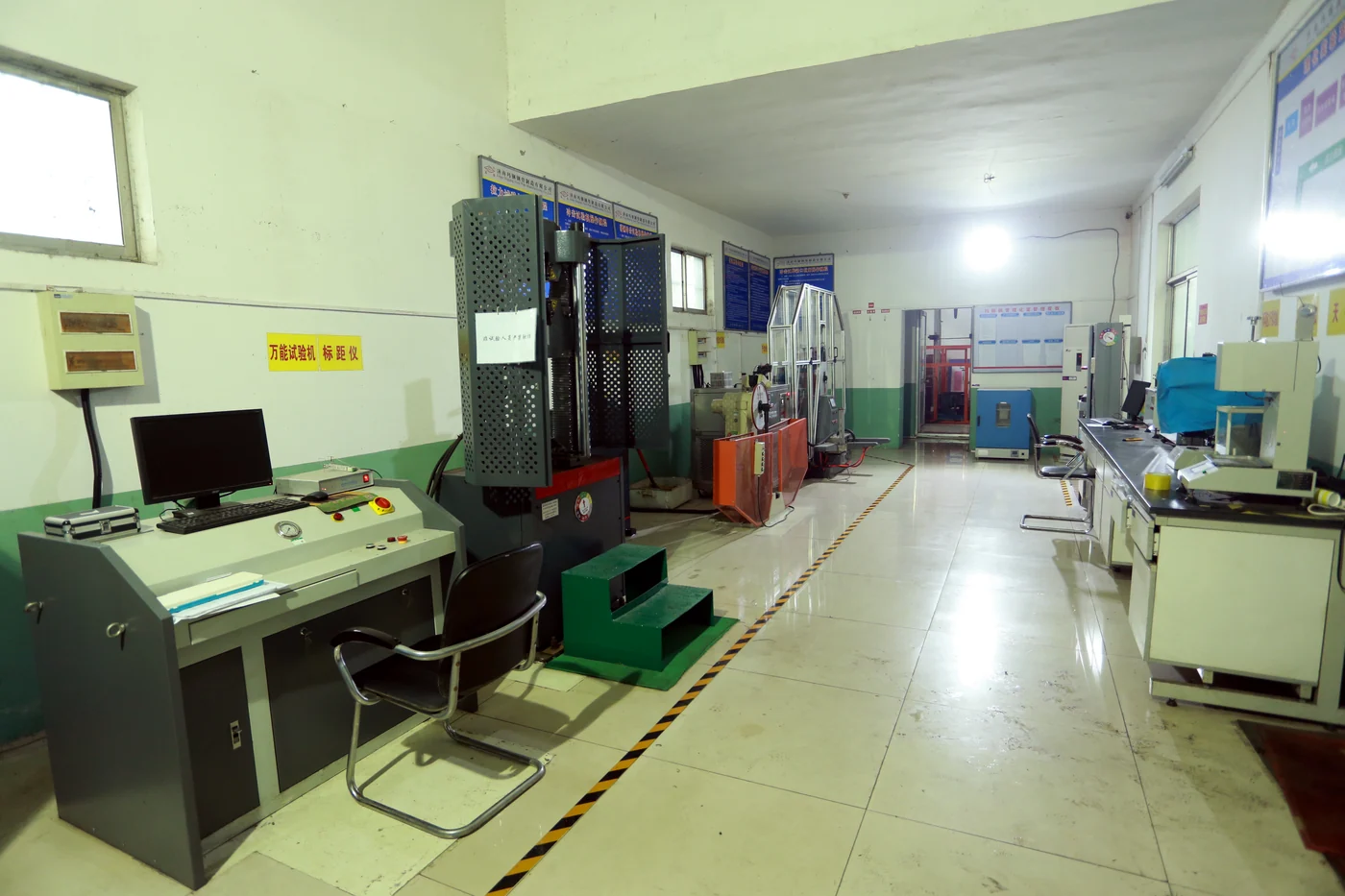
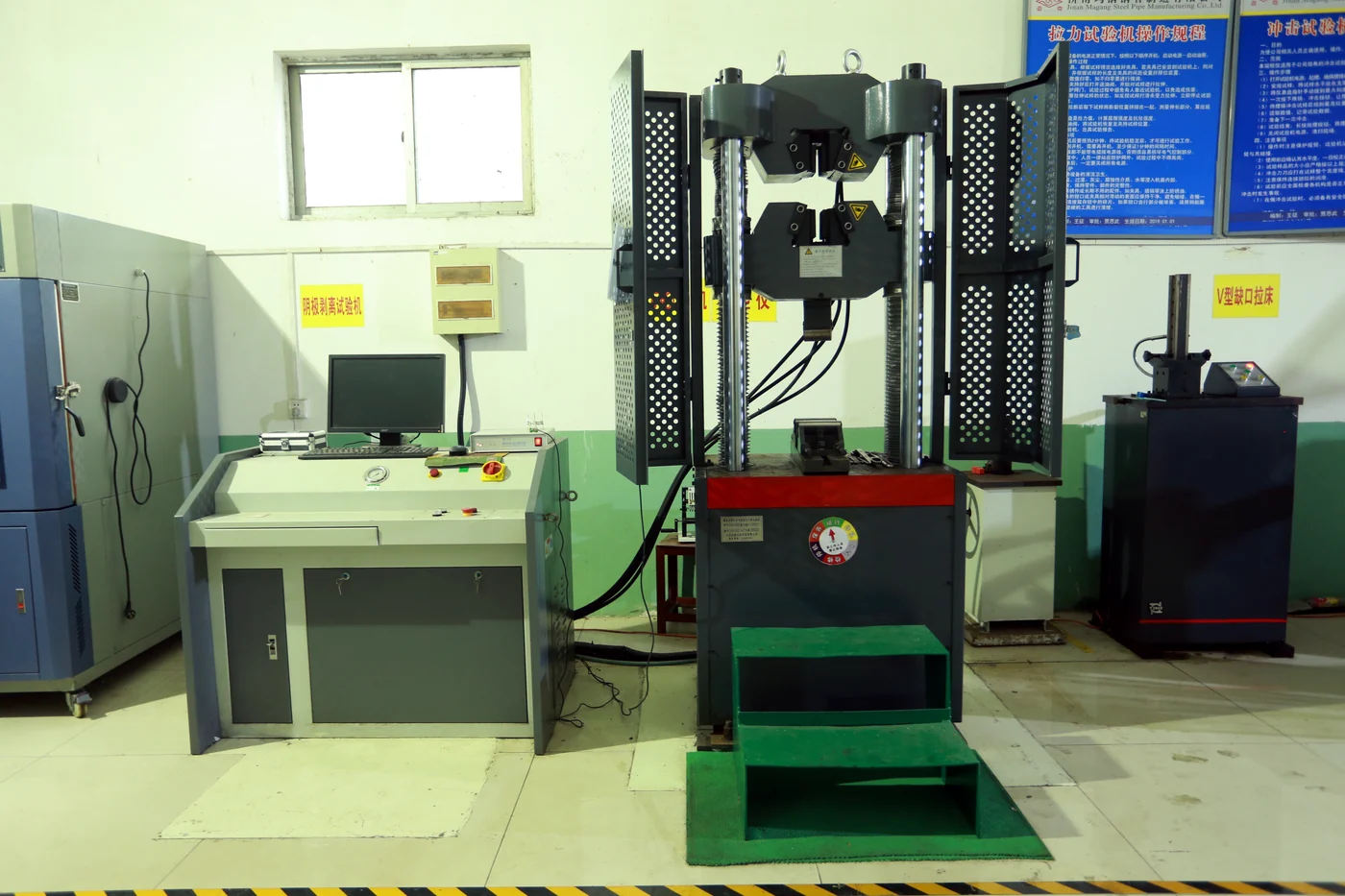
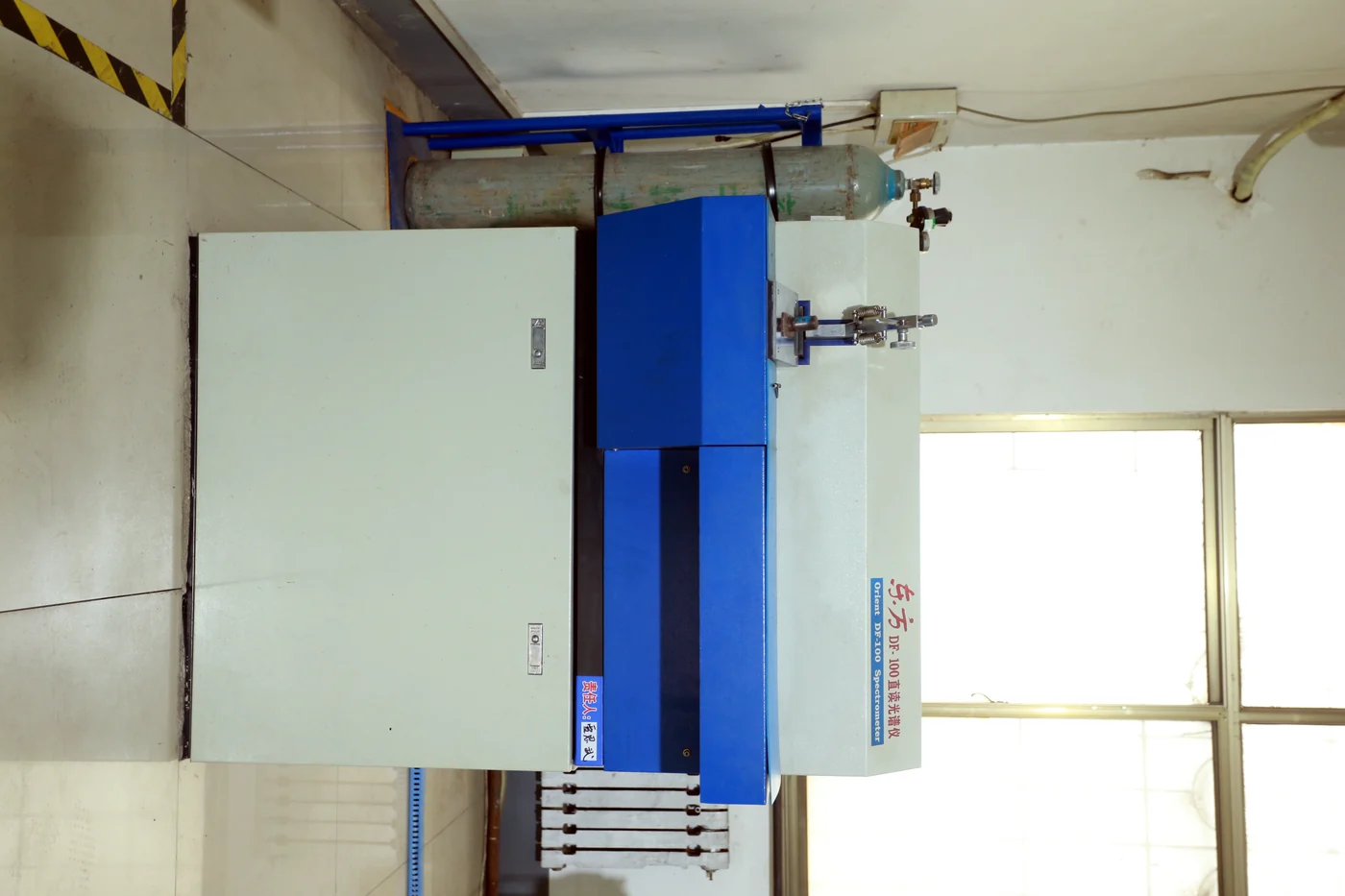
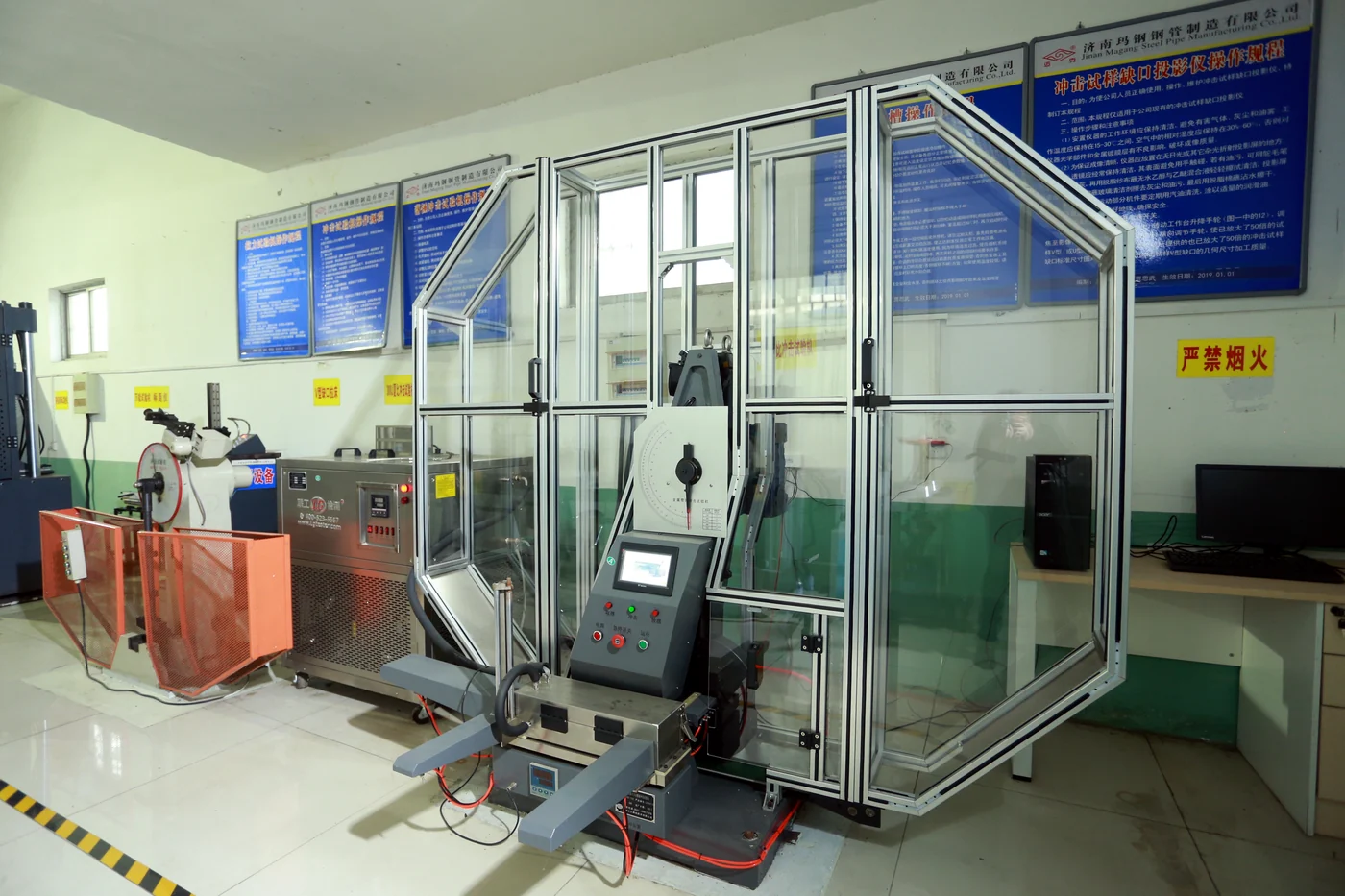
Laboratory & test equipment
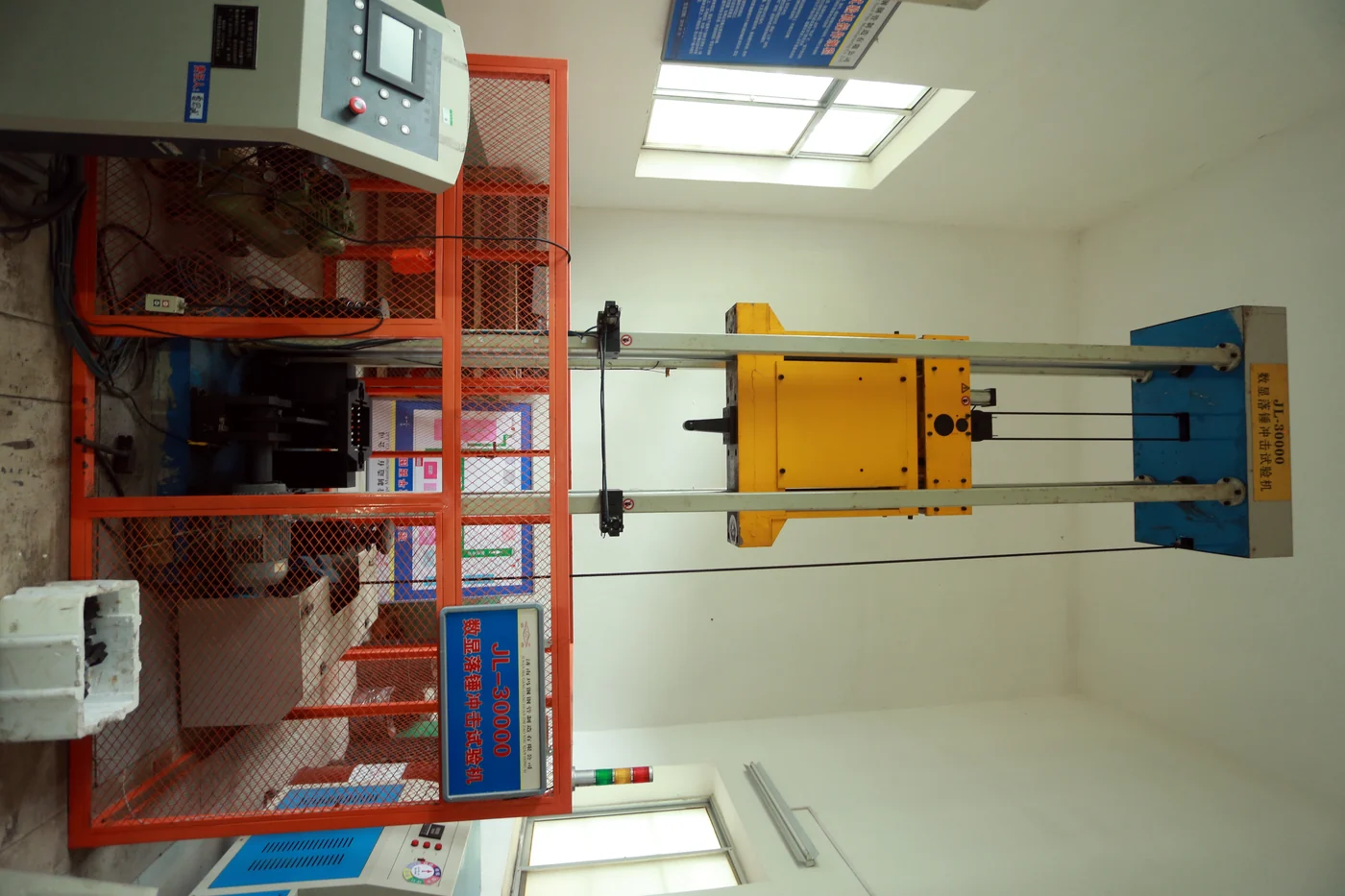
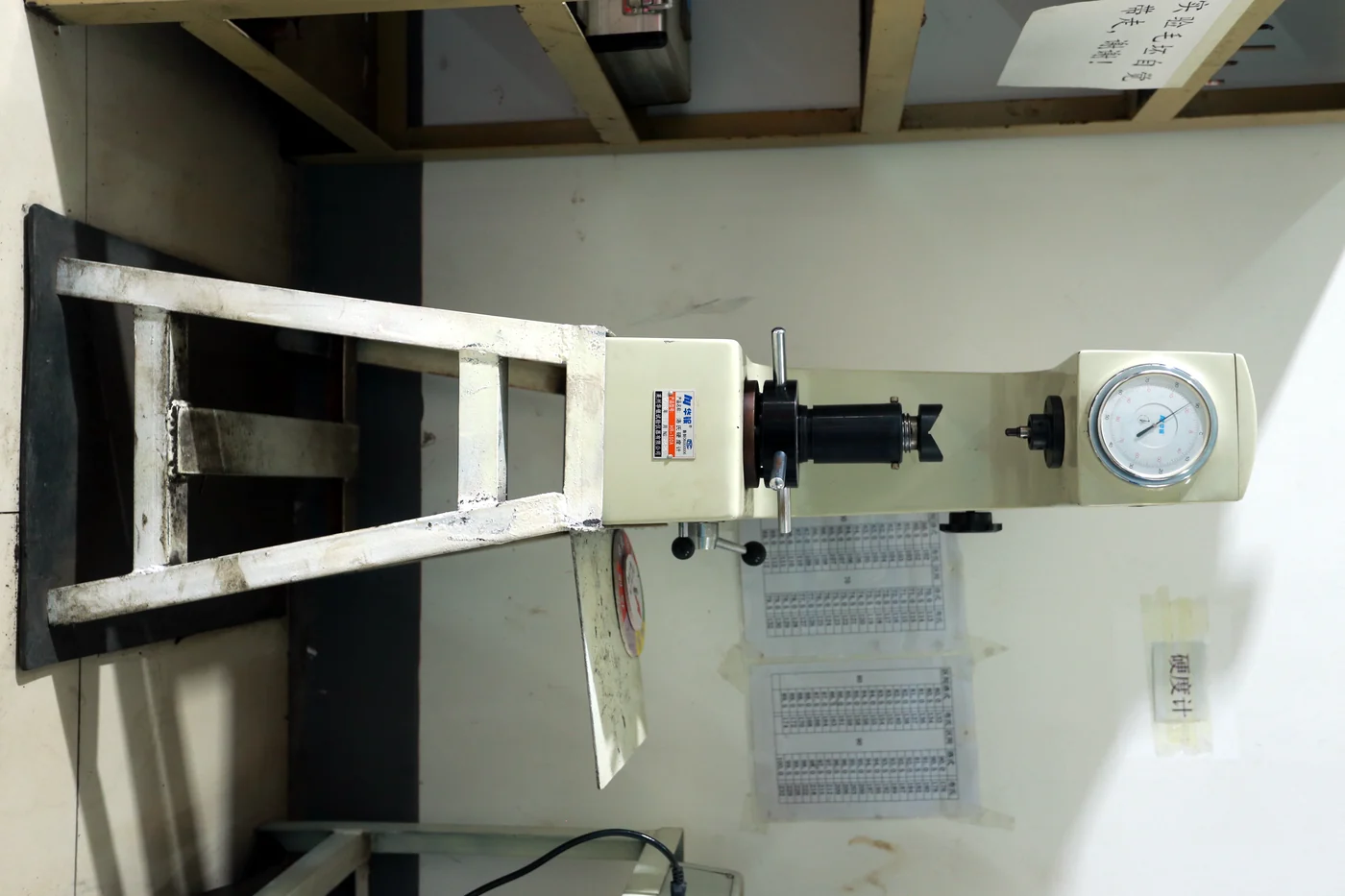
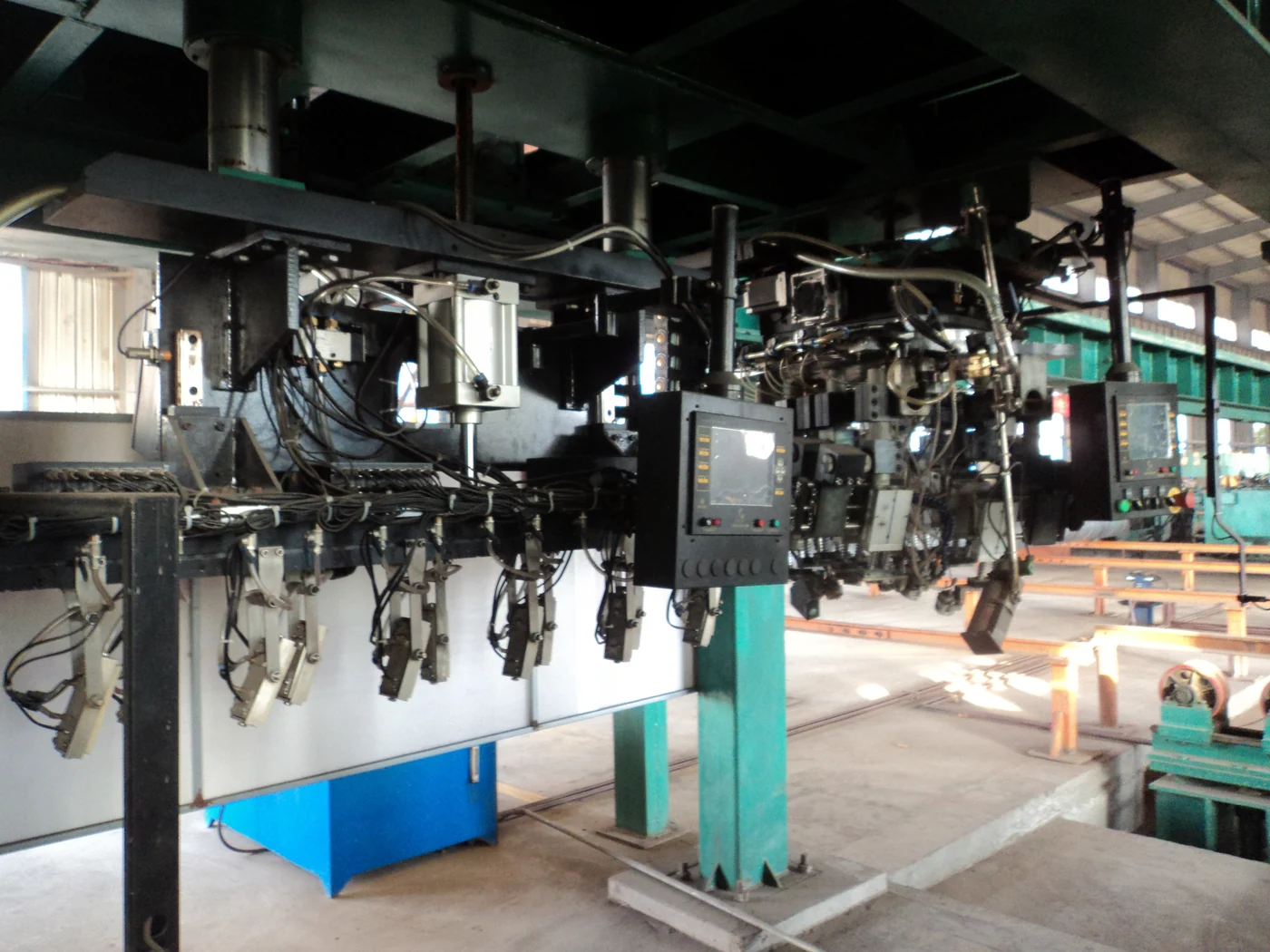
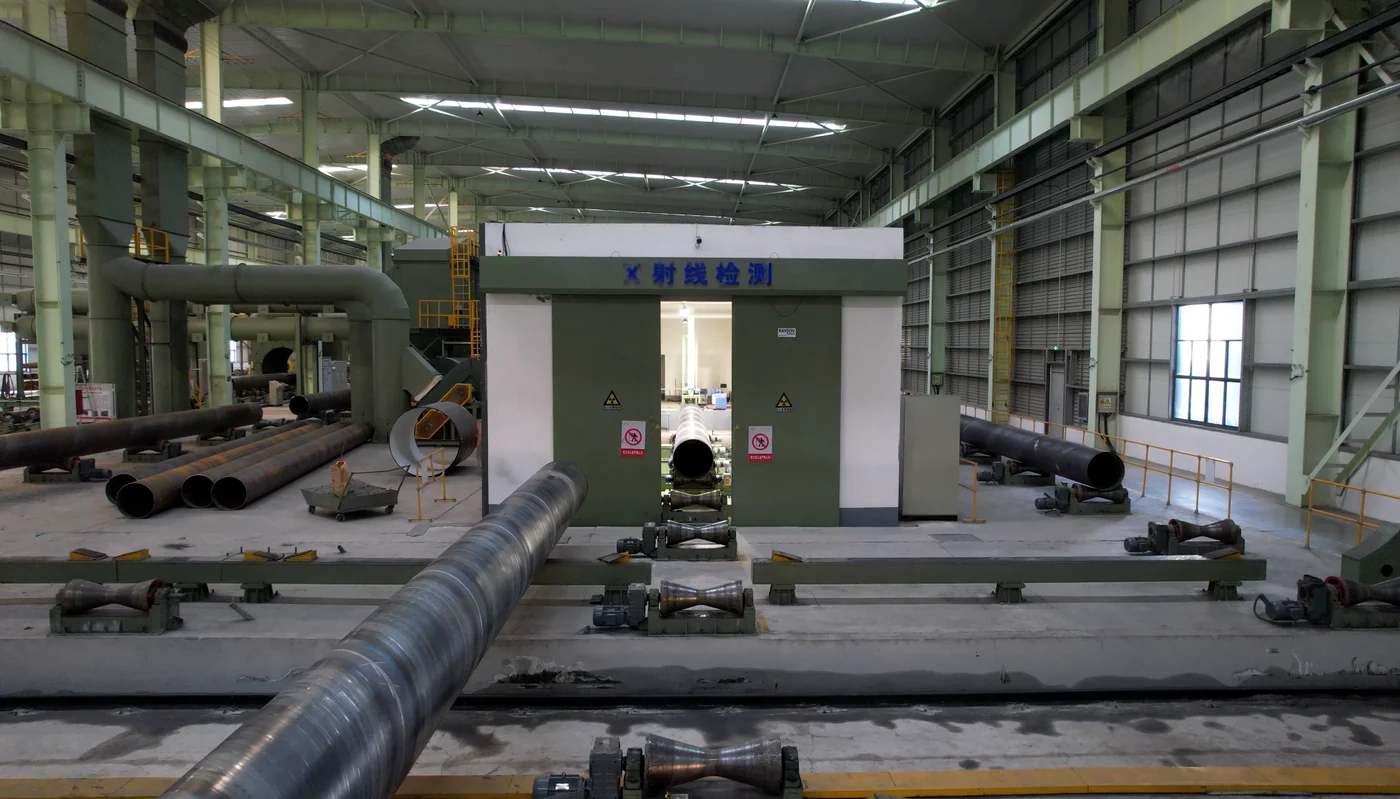
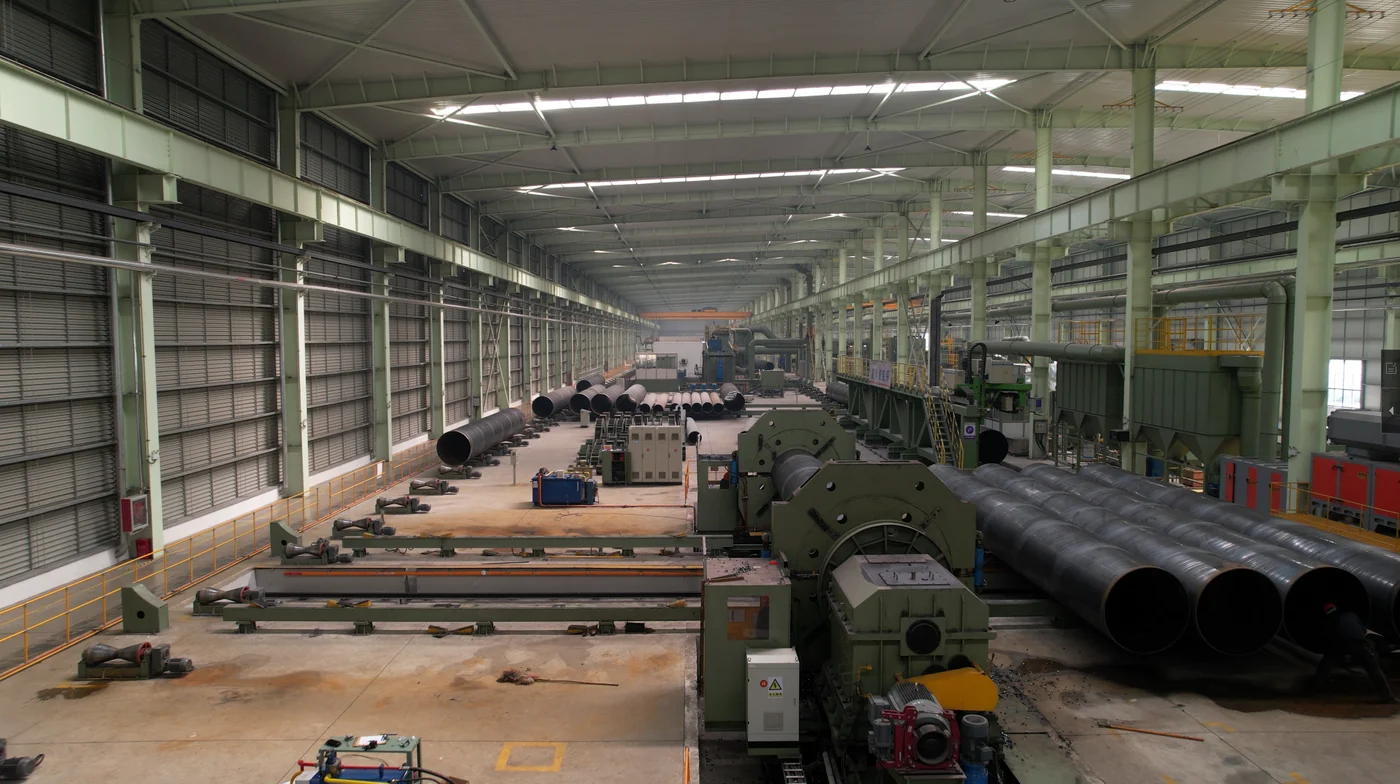
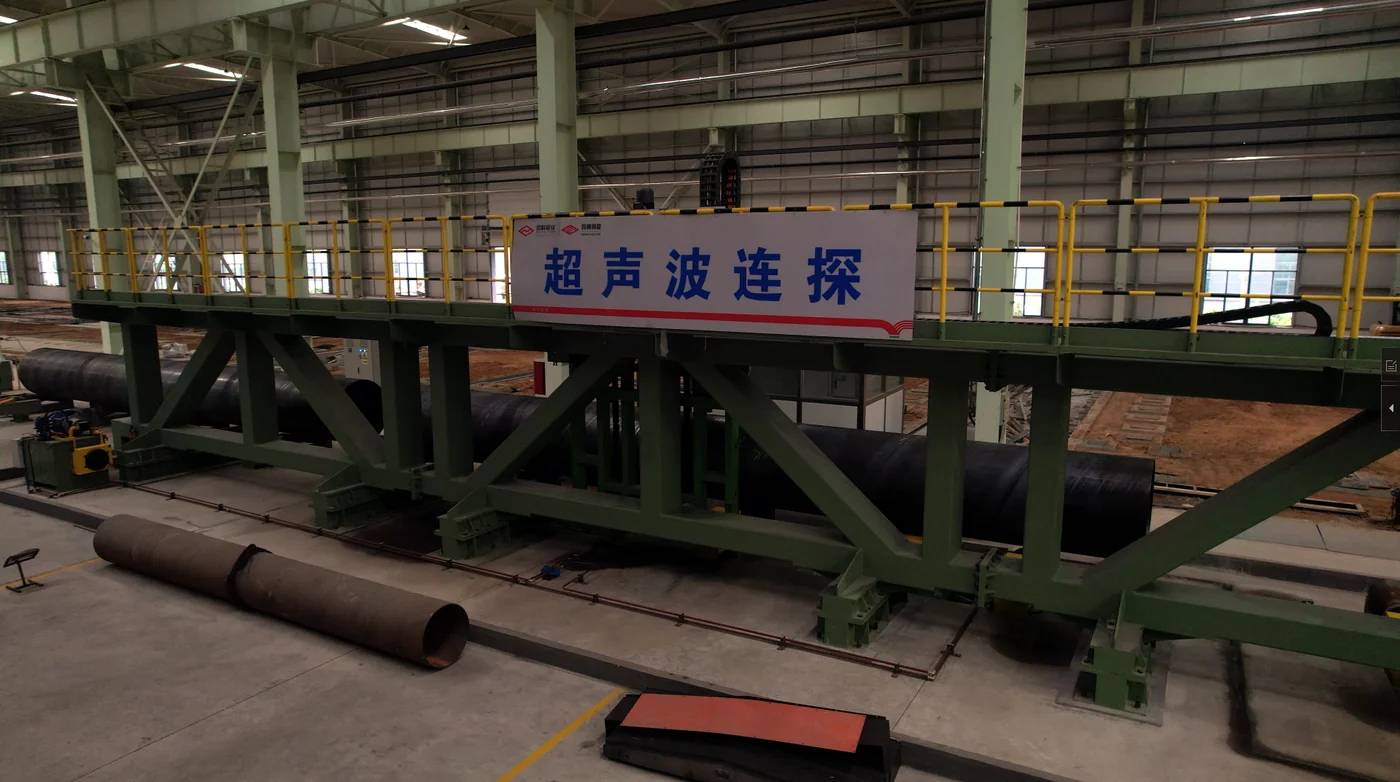
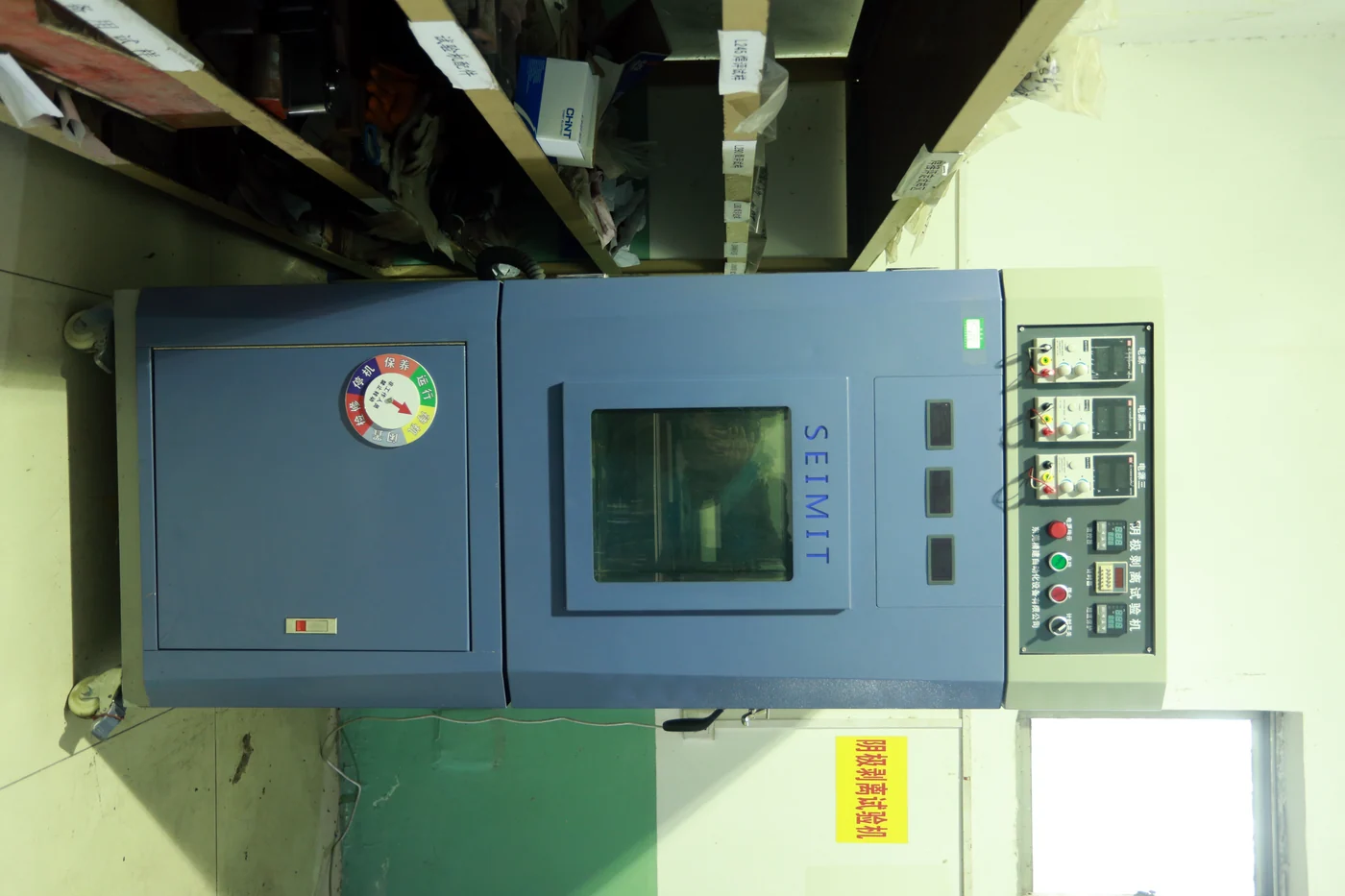
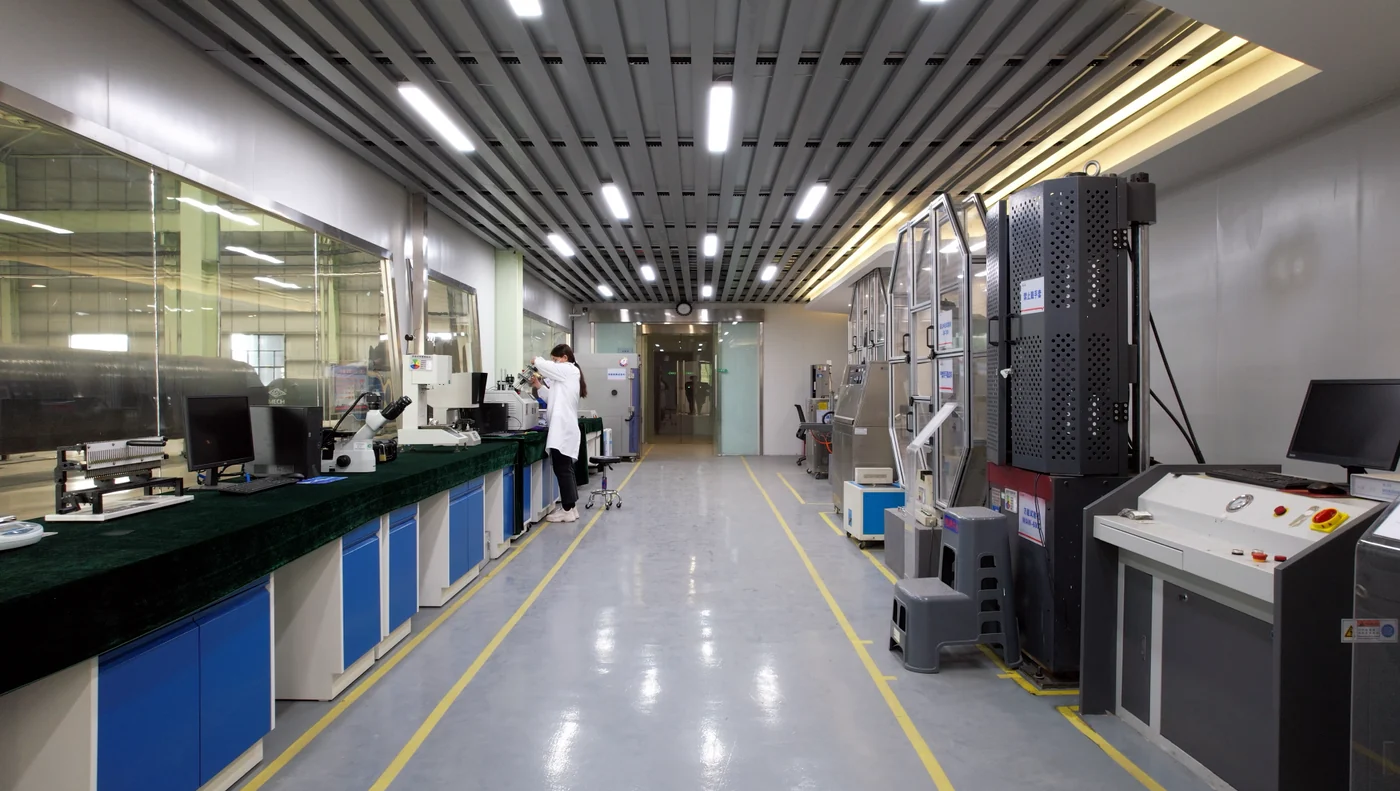
Photographed at the mills we source from — these are their laboratories, not a stock image library.
What can be tested, and to which standard
| Property | Method / equipment | Typical standard |
|---|---|---|
| Chemical composition | Optical emission spectrometer | EN 10021 / GB/T 223 |
| Tensile, yield, elongation | Universal testing machine | EN ISO 6892-1 |
| Impact toughness (incl. sub-zero) | Charpy impact machine | EN ISO 148-1 |
| Drop-weight tear (pipeline grades) | DWTT machine | ASTM E436 |
| Hardness | Brinell / Rockwell / Vickers | EN ISO 6506 / 6508 / 6507 |
| Internal soundness | Ultrasonic inspection | EN 10160 |
| Weld integrity (pipe) | X-ray, in-line ultrasonic | EN ISO 10893 |
| Pressure tightness (pipe) | Hydrostatic testing | EN 10217 / API 5L |
| Coating adhesion | Cathodic disbondment, pull-off | EN ISO 21809 / ISO 4624 |
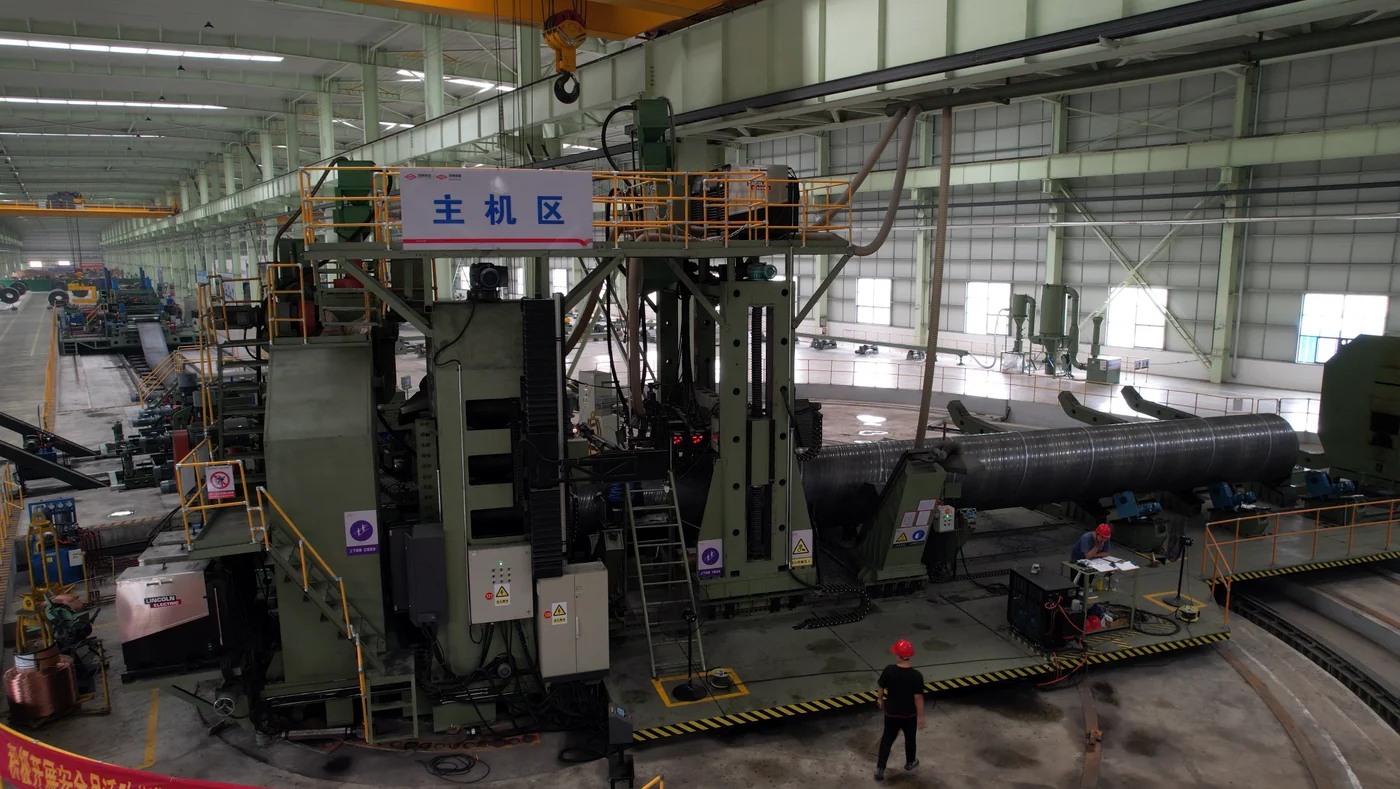
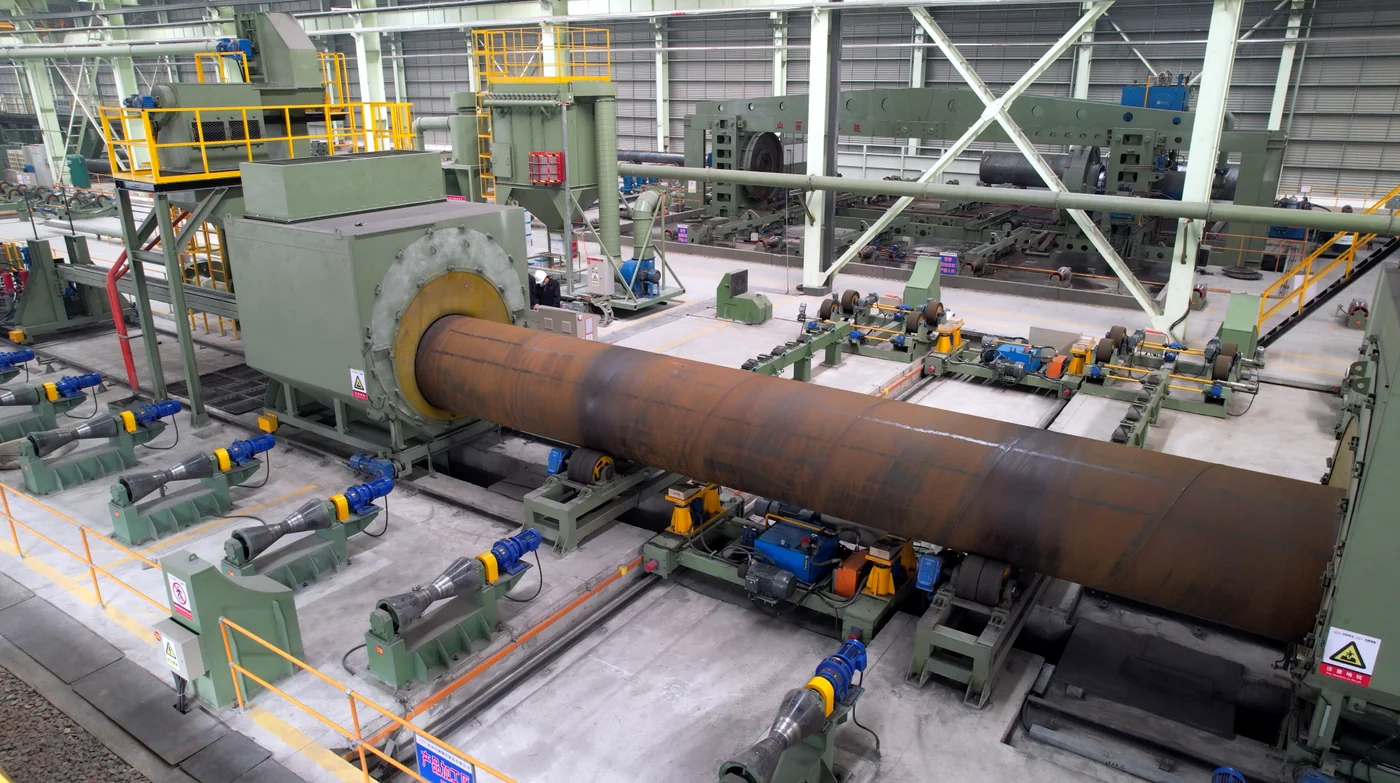
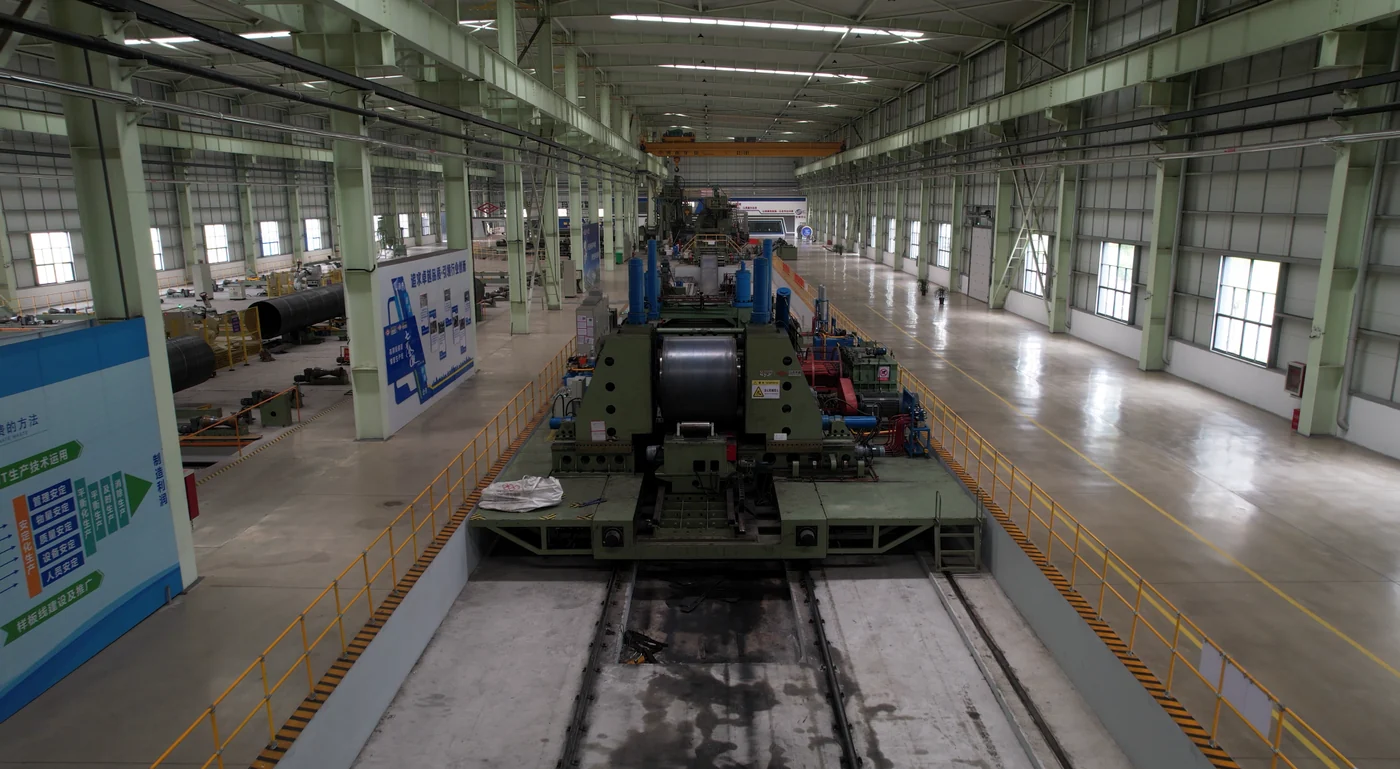
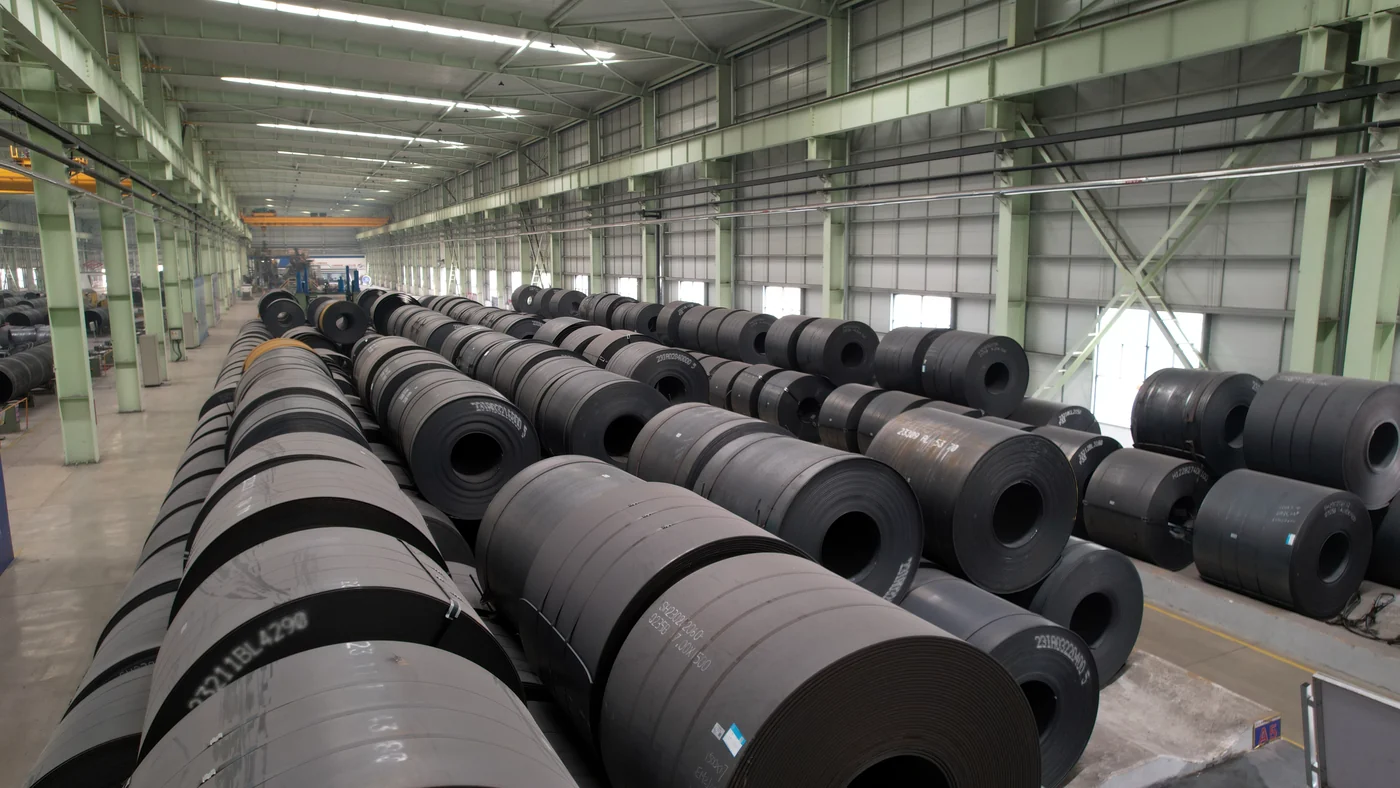
Production lines behind your order
Mill test certificates: 3.1 or 3.2?
| EN 10204 3.1 | EN 10204 3.2 | |
|---|---|---|
| Who issues it | The mill’s own inspection department | An independent third party appointed by the buyer |
| Who witnesses the test | Mill inspector | SGS / BV / Intertek / TUV / your inspector |
| Cost and lead time | Included | Extra cost, extra days |
| When you need it | Most commercial orders | Pressure equipment, marine, notified-body projects |
| Our default | Yes — every shipment | On request, when the specification calls for it |
European compliance: CPR & PED
Two certificates matter if your material is destined for the EU — one for construction products, one for pressure
equipment. Both are held by Shandong Iron and Steel Group Rizhao Co., Ltd., a mill we source from, and both were issued
by TÜV Rheinland. Click a certificate to read it in full.
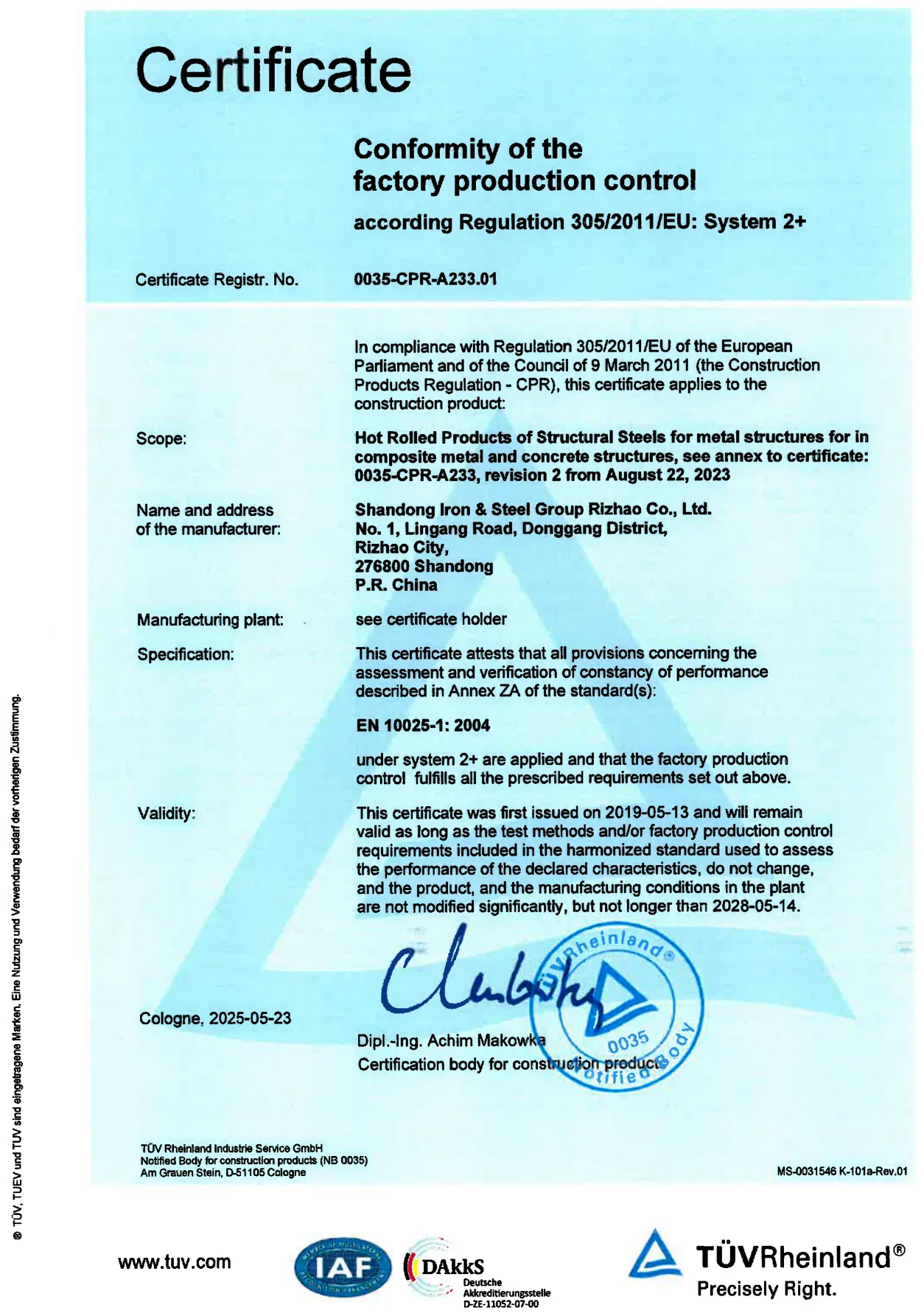
Certificate No. 0035-CPR-A233.01 · construction products · hot-rolled structural steel to EN 10025-1 · valid to 2028-05-14
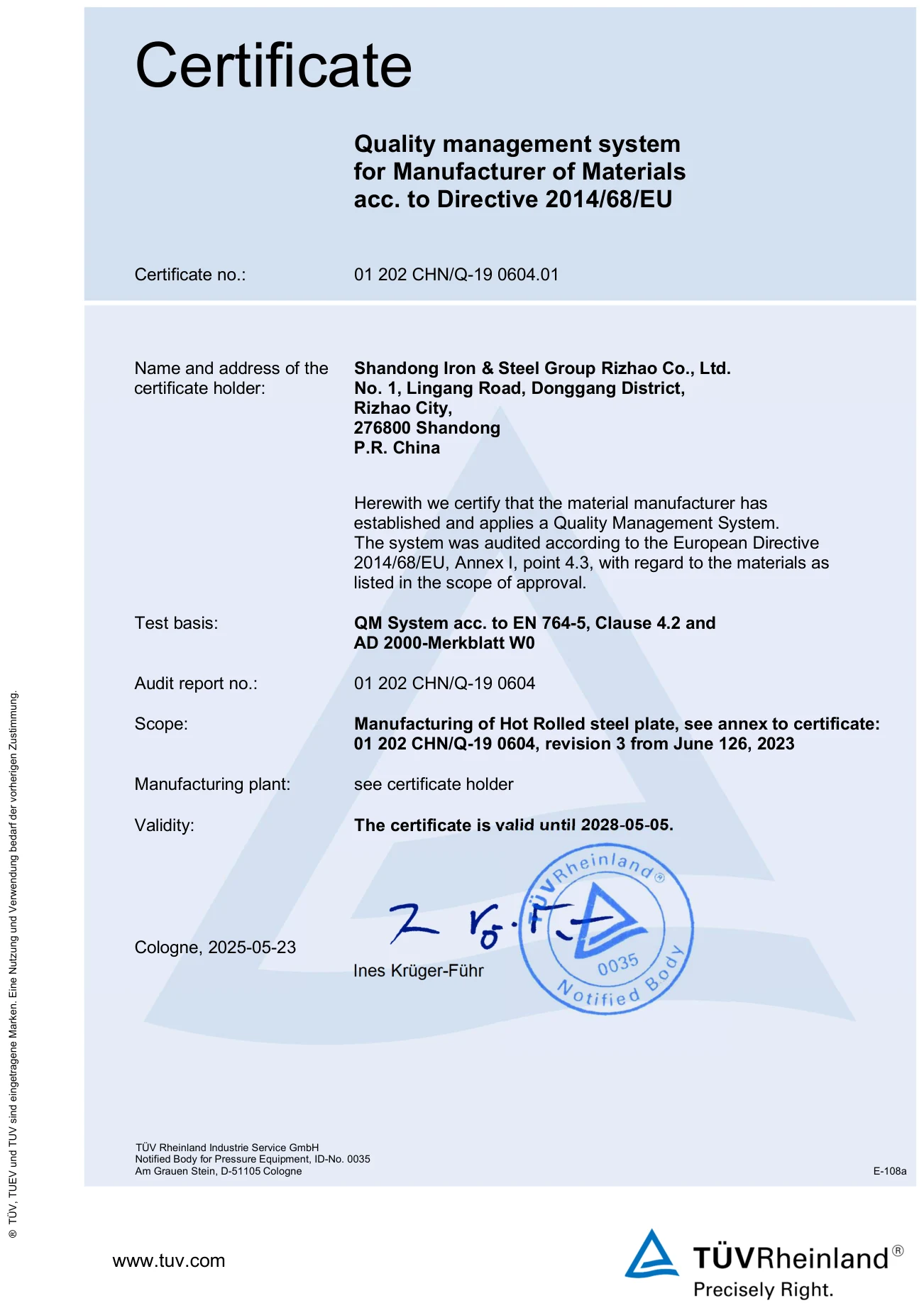
Certificate No. 01 202 CHN/Q-19 0604.01 · quality system for materials for pressure equipment · hot-rolled plate · valid to 2028-05-05
Issued by TÜV Rheinland Industrie Service GmbH, notified body No. 0035. Both certificates are shown
as held by the mill; they are not certificates of Shandong Dayang Global.
Frequently asked questions
What certificate comes with my shipment?
Every shipment travels with an EN 10204 3.1 mill test certificate issued by the producing mill, showing heat number, chemical composition, mechanical properties and the standard the material was made to. If your project or your customer requires EN 10204 3.2, we arrange third-party witnessing — usually SGS or Bureau Veritas — before the material leaves the mill.
What is the difference between 3.1 and 3.2 certificates?
A 3.1 certificate is issued by the mill’s own independent inspection department. A 3.2 certificate is issued or endorsed by an independent third party appointed by the purchaser — typically SGS, BV, TUV or Intertek — who witnesses the testing. 3.2 costs more and takes longer, so we only arrange it when the specification actually calls for it. We will tell you which one fits your order rather than defaulting to the expensive option.
Can I appoint my own inspection company?
Yes. Many of our buyers nominate SGS, BV, Intertek, TUV or a local inspection house. Tell us the appointment details and we will have the material presented for inspection before packing. We can also send you the inspection report and loading photos before the container leaves.
Do you test the material yourselves as well?
Yes — the laboratories shown on this page belong to the mills we source from, and they test every heat in-house: chemistry, tensile, impact, hardness and, for pipe, hydrostatic and ultrasonic. Where a property cannot be covered in-house, the sample goes to a national-level testing centre such as the Hebei Institute of Product Quality Supervision and Inspection (National Steel Product Quality Testing Centre, Tangshan).
Does the steel meet European requirements?
Shandong Iron and Steel Group Rizhao Co., Ltd. — one of the mills we source from — holds a CPR certificate (No. 0035-CPR-A233.01, EU Regulation 305/2011, System 2+) and a PED quality-system certificate (No. 01 202 CHN/Q-19 0604.01, EU Directive 2014/68/EU), both issued by TUV Rheinland. Both are inside their validity period, and copies are shown on this page. Where a project requires CE marking to EN 10025-1, we will confirm the route with your quotation.
What if the material fails inspection?
It does not ship. If a heat fails the required properties, or the third-party inspector rejects it, the material is either re-tested, replaced from another heat or the order is re-scheduled — and you are told before anything leaves the mill, not after the container has sailed.
Tell us what your project has to prove.
Send the product, grade, standard and destination — we will come back with the mill, the
certificate route and whether third-party inspection is worth paying for on your order.